
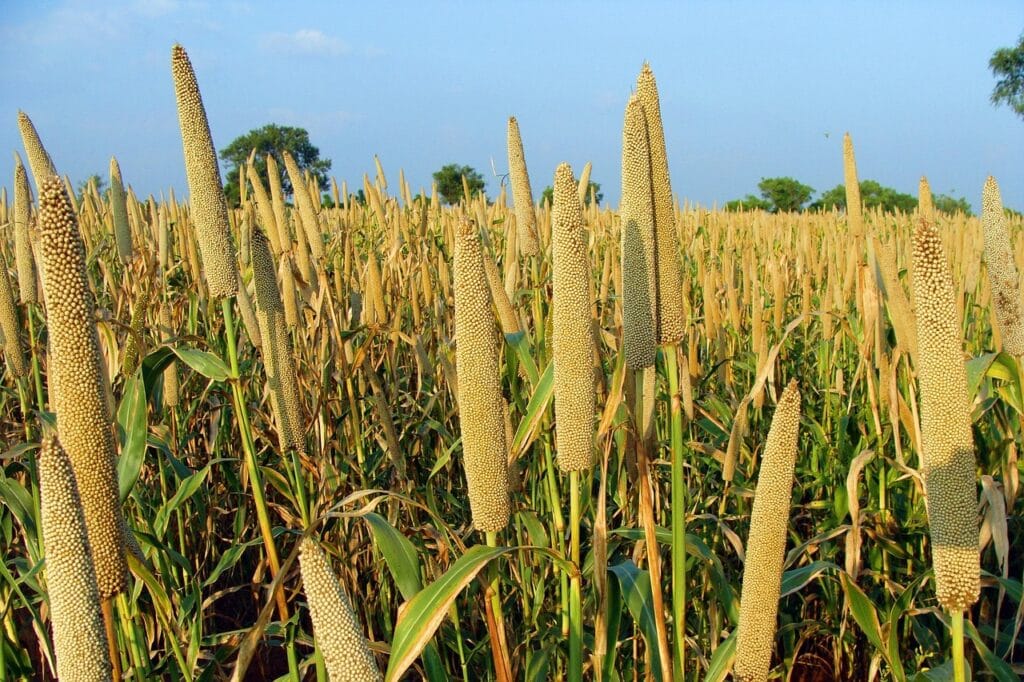
More than half of U.S. adults are living with prediabetes or type 2 diabetes. If a simple food swap could help, it’s worth a close look. Millet, that small round grain best known as bird feed, now has three separate clinical trials behind it. Here’s what they actually show.
What Is Millet, Exactly?
Millet isn’t one grain. It’s a family of small-seeded grasses that people have grown since around 6000 BC in northern China. It spread across Asia, Africa, and Europe because it needs less water than wheat or rice and grows fast in poor soil. Today, India grows about 40% of the world’s millet, with Nigeria, Niger, Mali, and Pakistan also being major producers. It’s gluten-free, low on the glycemic index, and high in fiber, which is exactly why researchers keep testing it against rice and wheat in people with blood sugar problems.
Does Millet Lower Blood Sugar in People with Prediabetes?
A 2018 trial in the journal Nutrients followed 64 adults with impaired glucose tolerance, a stage before full type 2 diabetes, for 12 weeks. Each person ate 50 grams of foxtail millet a day and served as their own comparison group.
The results: fasting blood sugar dropped from about 103 to 95 mg/dL. After-meal glucose spikes shrank too. Insulin resistance improved, and leptin, a hormone that helps regulate appetite, rose. Diastolic blood pressure came down as well. Women responded faster than men, which the researchers think may be related to hormonal differences, though this needs further study.
One honest caveat: this trial didn’t measure HbA1c, so we can’t say millet moved that particular marker here. What it did show is a real drop in fasting and post-meal glucose in people trying to head off diabetes before it starts.
Millet vs. Rice for Breakfast: What Happens to Your Blood Sugar?
A study in the Indian Journal of Medical Research compared a foxtail millet dosa (a savory pancake) to a rice dosa in 105 people with type 2 diabetes. The millet version had a glycemic index of 59, compared to 78 for rice. After eating it, participants saw a significantly smaller post-meal glucose spike. Fasting glucose didn’t change, which makes sense since this was a single-meal comparison rather than a long-term dietary change.
The takeaway is simple: if breakfast is rice-based, swapping in a millet dosa or porridge is a low-effort way to blunt the subsequent glucose spike.
Millet’s Long-Term Effect on Blood Sugar and Cholesterol
The most detailed data comes from a randomized crossover trial of 300 people with type 2 diabetes, published in Recent Research in Science and Technology. Each participant followed a millet-based diet with moderate fiber, similar to American Diabetes Association recommendations, for 90 days.
HbA1c fell by just over 19%. Fasting glucose dropped 13.5%, and insulin levels fell nearly 2%. Cholesterol improved too: total cholesterol down 13.25%, triglycerides down 13.51%, and VLDL cholesterol (the “bad” cholesterol carrier tied to heart disease) down 4.5%. Body weight didn’t change, which suggests these benefits didn’t result from participants simply eating less overall.
Worth flagging: this journal isn’t indexed in PubMed, so it hasn’t had the same visibility or scrutiny as the two studies above. The numbers are striking, and they line up directionally with the smaller, PubMed-indexed trials, but treat this one as suggestive rather than the final word.
Does the Broader Research Agree?
A 2021 systematic review and meta-analysis in Frontiers in Nutrition pooled 65 studies on millet and diabetes. Across that larger dataset, millet’s average glycemic index ran about 36% lower than rice or wheat. Long-term millet eaters saw fasting glucose fall by 12% and post-meal glucose by 15%, and HbA1c dropped from 6.65% to 5.67% in people with prediabetes. It’s a useful confirmation that the pattern in the individual trials holds up across a much larger dataset, even though those individual trials provide the clearest picture of what happens to a real person eating millet.
Why Isn’t Millet More Popular in the U.S.?
A few reasons. Most Americans only know millet as birdseed. Corn, wheat, and soybeans dominate U.S. farmland and get the subsidies and infrastructure to match. And there’s no American tradition of cooking with it. That’s starting to shift as interest grows in drought-tolerant, climate-resilient crops, and as more than 37 million Americans now live with diabetes.
How to Add Millet to Your Diet
- Breakfast: Swap oatmeal for millet porridge, or try a millet dosa.
- Lunch or dinner: Use cooked millet as the base for a grain bowl with vegetables and lean protein.
- Baking: Millet flour adds a nutty flavor to muffins, pancakes, and gluten-free breads.
- Snacks: Popped millet works like mini popcorn.
Start with one swap a week. Replace a rice or wheat side dish with millet, and see how your numbers respond.
Frequently Asked Questions
Can people with diabetes eat millet every day? Yes. Both the 90-day and 12-week trials above used daily millet intake without safety concerns. As with any grain, portion size still matters for total carbohydrate load.
How much millet should I eat per day? The prediabetes trial used 50 grams (about 1/4 cup dry) per day. That’s a reasonable starting point, though your ideal portion depends on your overall carb targets.
Is millet better than oats for blood sugar? Both are good options. Millet’s glycemic index (roughly 50 to 68, depending on variety) is comparable to or lower than that of most oats. The bigger factor is usually preparation, since finely ground or highly processed versions of either grain digest faster and cause blood sugar to spike more.
Does millet lower blood pressure? One clinical trial found a modest but statistically significant reduction in diastolic blood pressure after 12 weeks of daily consumption of foxtail millet. It’s a promising secondary finding, not millet’s primary claim to fame.
Which millet is best for blood sugar control? Foxtail millet has the most direct clinical trial data. Finger millet and barnyard millet show similar low-glycemic properties in smaller studies, but foxtail is currently the best studied for glucose control specifically.
The Bottom Line
Three separate clinical trials, backed by a much larger meta-analysis, point the same direction: millet lowers post-meal blood sugar, and sustained use over weeks to months improves fasting glucose, insulin sensitivity, and cholesterol in people with prediabetes and type 2 diabetes. It won’t replace medication or a full dietary overhaul, but swapping rice or wheat for millet a few times a week is a low-risk change with real evidence behind it.
Want the quick version of everything above? Download our free infographic, Millet & Blood Sugar: What 3 Clinical Trials Found, a one-page snapshot of the studies, the numbers, and how to start adding millet to your week.
If you want a plan built around your specific labs, medications, and goals, that’s exactly what True Wealth Health Coaching is for.