
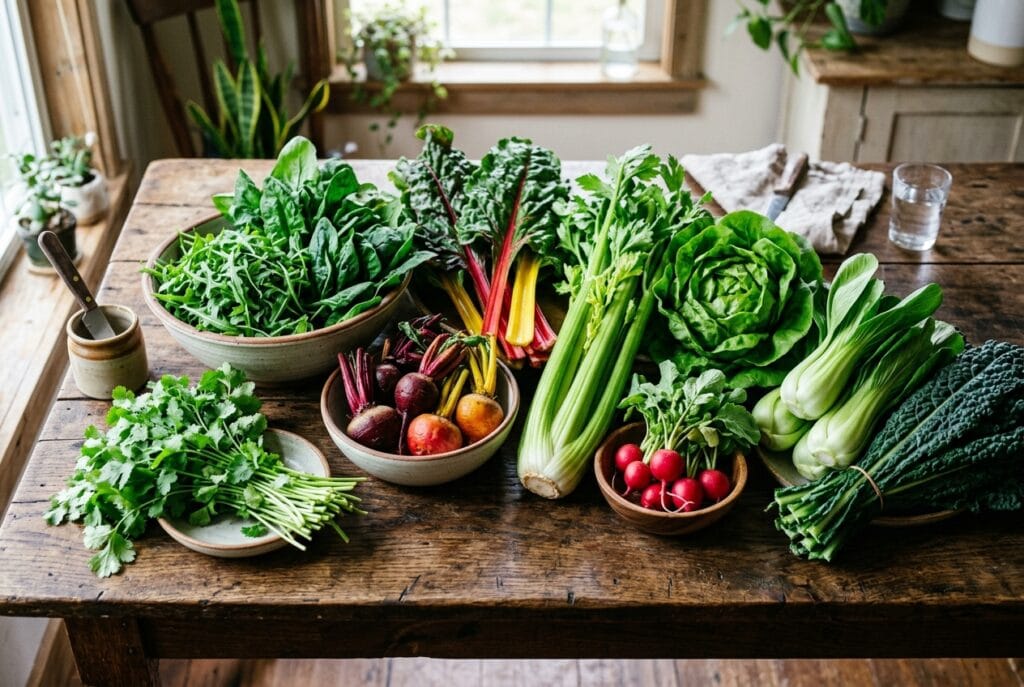
Maybe your doctor just told you your blood pressure is running high. Maybe your energy has been flat, or a scare in your family has you paying closer attention to your heart. Whatever brought you here, you searched for a way to boost nitric oxide, and you probably ran into a wall of ads for pills, powders, and “booster” supplements.
Here’s the good news. You can start in your own kitchen. Nitric oxide (NO) is the signal that tells your blood vessels to relax and open up, which means better blood flow and less strain on your heart. Your body makes it in more than one way, and one of the easiest is through food. Some vegetables are rich in nitrates, and your body converts them into nitric oxide. Here are 10 of the best, plus simple ways to eat more of them.
How Do Vegetables Boost Nitric Oxide?
Vegetables supply about 80% of the nitrate in our diets, according to a review in the American Journal of Clinical Nutrition by Hord, Tang, and Bryan. Bacteria in your mouth and gut convert that nitrate into nitrite. Your body then turns nitrite into nitric oxide.
Does it work in real people? A randomized controlled trial in Free Radical Biology & Medicine by Bondonno and colleagues tested 30 healthy adults. Eating nitrate-rich spinach raised nitric oxide markers in the blood, improved how well the arteries widened, and lowered systolic blood pressure within hours.
How Much Nitrate Do You Need?
There’s no official target. Researchers Lidder and Webb, writing in the British Journal of Clinical Pharmacology, suggested counting “nitrate units.” One unit is 1 millimole of nitrate, or about 62 mg. They created a table of high-, medium-, and low-nitrate-containing vegetables Based on a concept of nitrate units.
For a practical number, about 300 mg of nitrate (5 millimoles, or 5 nitrate units) is the minimum dose that Gallardo and Coggan say most people need to see a boost in exercise performance. A big salad of nitrate-rich greens can get you into that range. In the Hord study, a DASH-style eating pattern built around high-nitrate vegetables and fruit supplied about 1,222 mg of nitrate a day, while a low-nitrate version supplied only 174 mg. Which vegetables you pick matters. Amounts vary a lot, though, based on soil, sunlight, season, and how long the vegetable sat in storage.
One honest limit: the evidence is strongest for short-term effects. A 2024 systematic review in Nutrients by Tan and colleagues pooled five observational studies of 63,155 people. Higher vegetable nitrate intake went with lower heart disease risk, but the authors said randomized trials are still needed. The Nurses’ Health Study tells a more cautious story. Jackson and colleagues followed 62,535 women for 26 years. At first, women with the highest nitrate intake had a lower risk of heart disease (RR 0.77). That benefit faded after adjusting for smoking, activity, and weight (RR 0.91), and disappeared once overall diet quality was factored in (RR 1.04). So nitrate is one of many good things in vegetables, not a stand-alone heart shield. Eat these vegetables for the whole package, including fiber, vitamins, and minerals.
Which Vegetables Are Highest in Nitrate?
The list below is grouped by typical nitrate content, from highest to lowest. Order within each group isn’t strict.
Very High in Nitrate
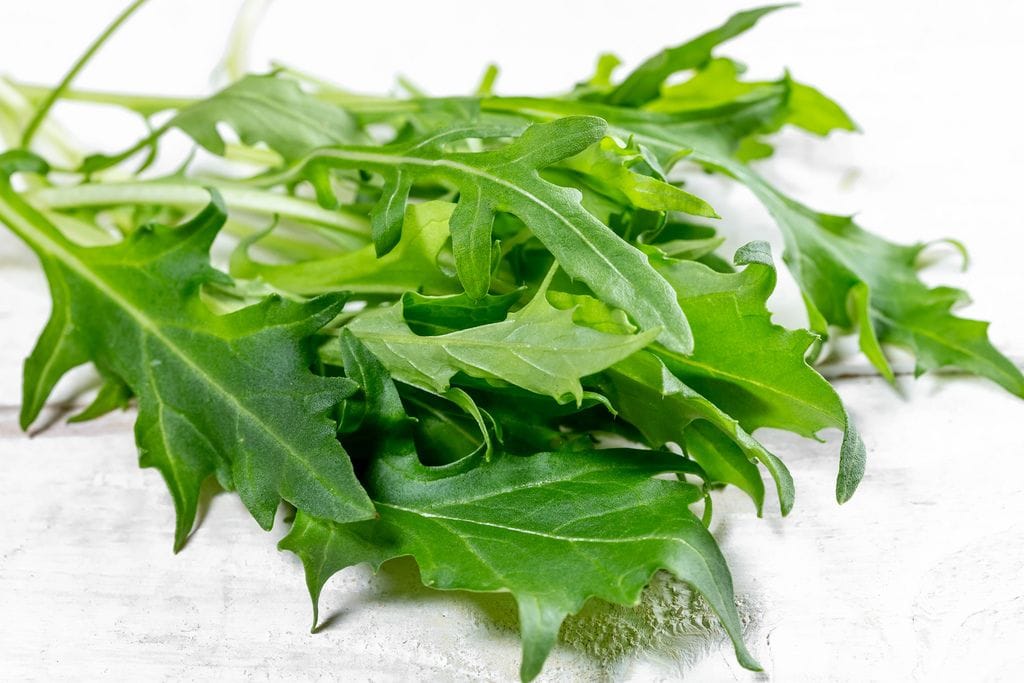
1. Arugula (Rocket Lettuce). These peppery leaves usually top nitrate lists, and a couple of handfuls go a long way. I will cover the details more in a dedicated article on arugula and nitric oxide. Try it: pile it on sandwiches, or toss it with lemon juice and olive oil.
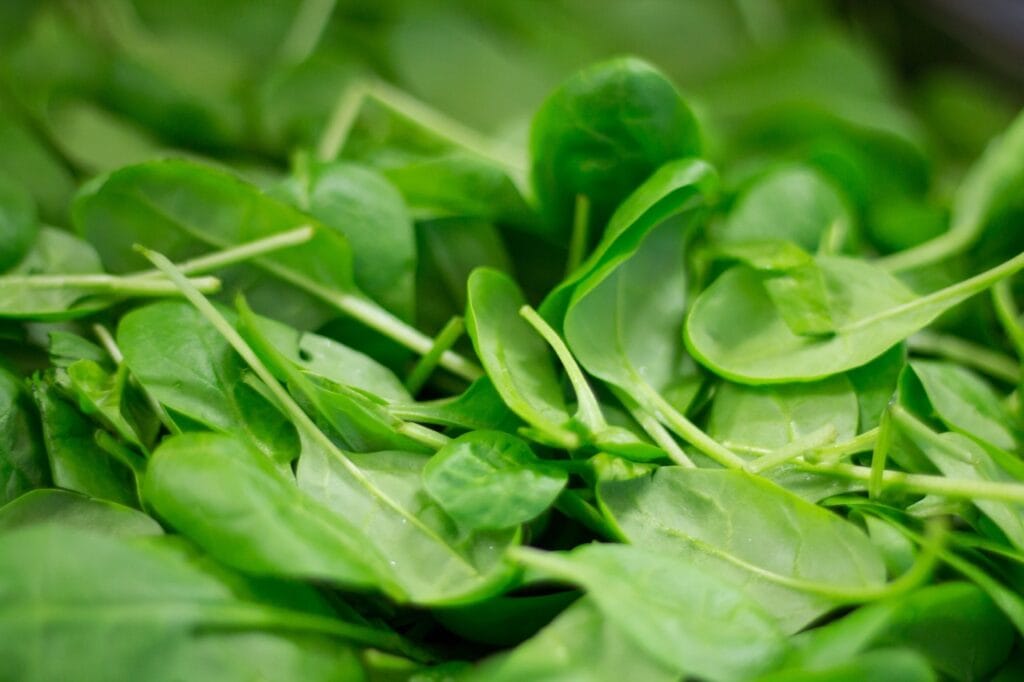
2. Spinach. Spinach has a solid human trial behind it (the Bondonno study above). Try it: eat it raw, blend it into a smoothie, add it to fresh juice, or steam it lightly.
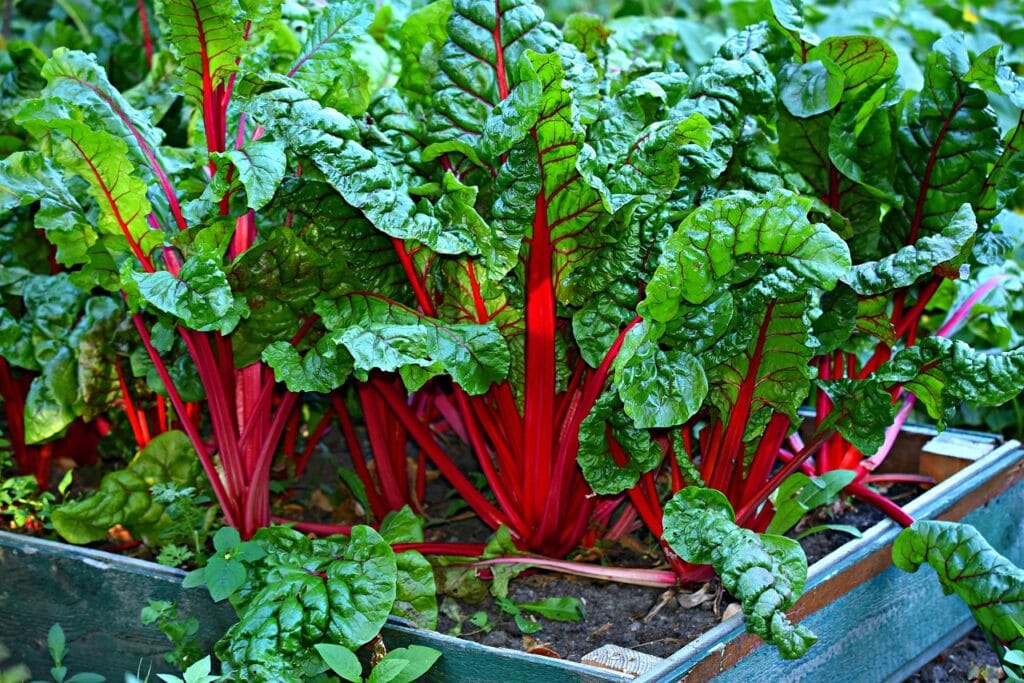
3. Swiss chard. It’s a close relative of beets and rich in nitrates, too. The colorful stems are edible, so use them. Try it: sauté it quickly with garlic, or add it to green juice.
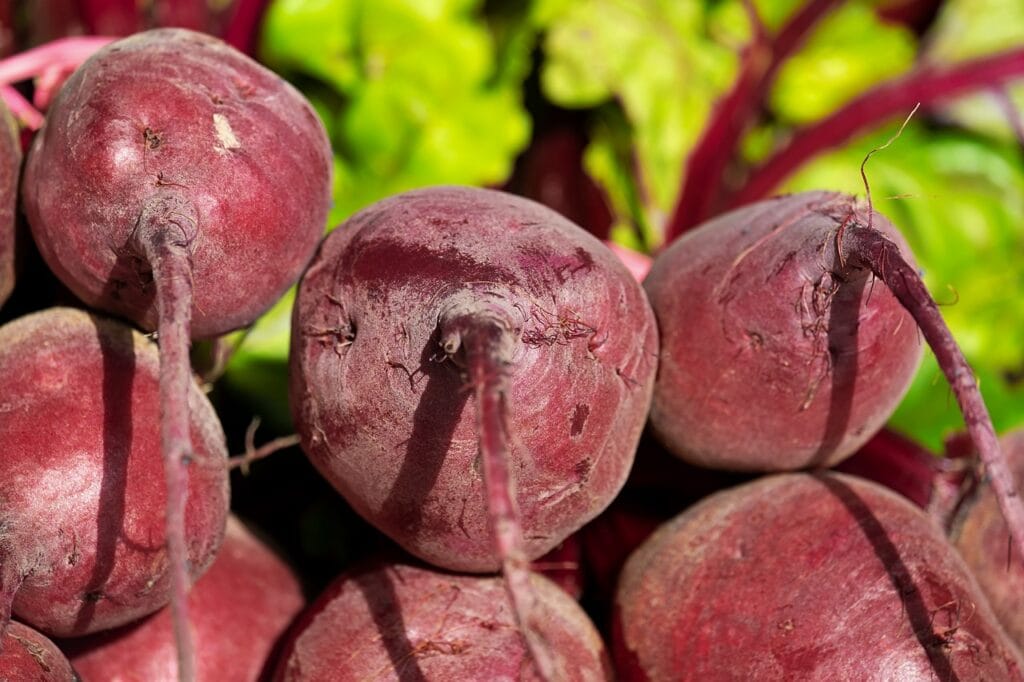
4. Beets. Beets are the best-known nitrate food. In a double-blind trial in Hypertension, Kapil and colleagues gave 68 people with high blood pressure 250 mL of beet juice daily for four weeks, and their 24-hour blood pressure dropped by about 7.7/5.2 mm Hg compared with placebo. I’ll talk more about beats and blood pressure in a future article. One tip: Gallardo and Coggan found about a 50-fold range in nitrate across bottled beet juice products, so read labels. Try it: grate them raw into salads, or roast them.
High in Nitrate
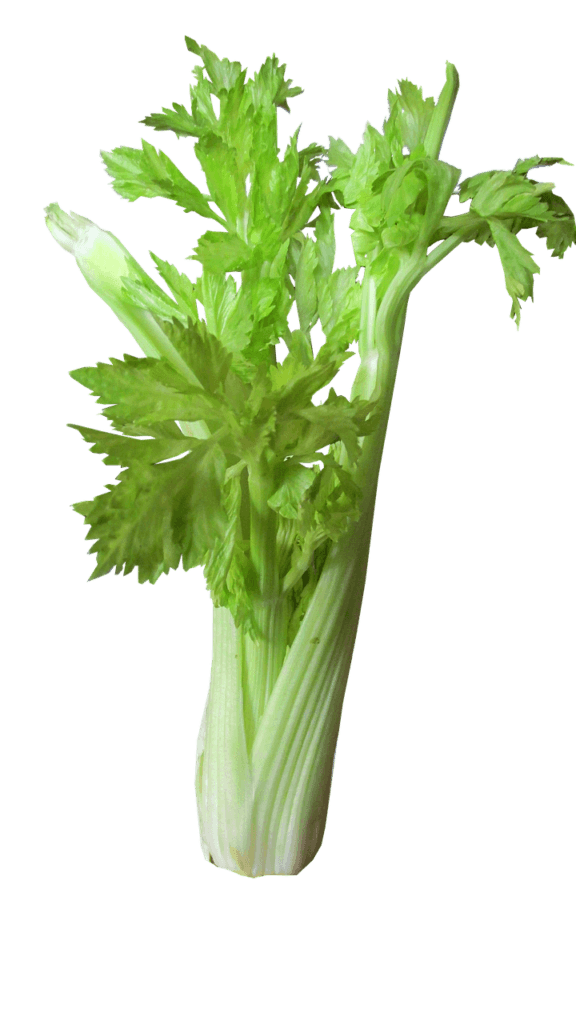
5. Celery. Celery is crunchy, hydrating, and low in calories. The stalks and leaves both count. Try it: snack on it, slice it into soups, or press it into juice.
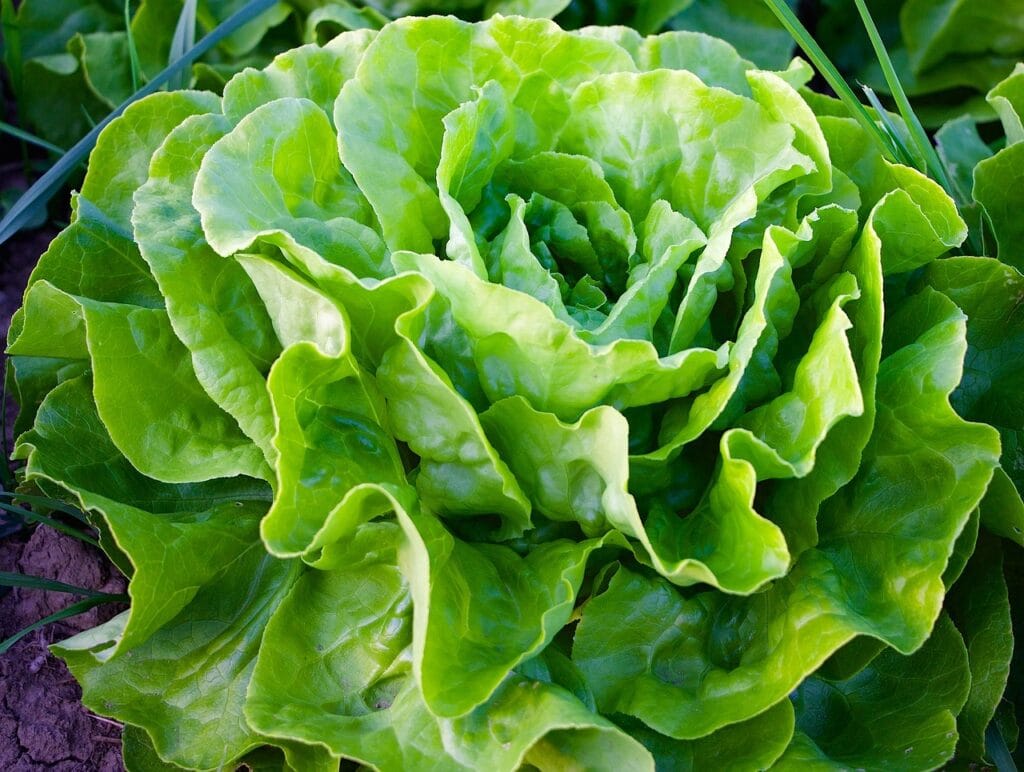
6. Lettuce (romaine, butterhead, spring mix). Lettuce doesn’t have the highest nitrate per bite, but you eat a lot of it, so it adds up fast. Try it: use it as your salad base or as a wrap instead of bread.
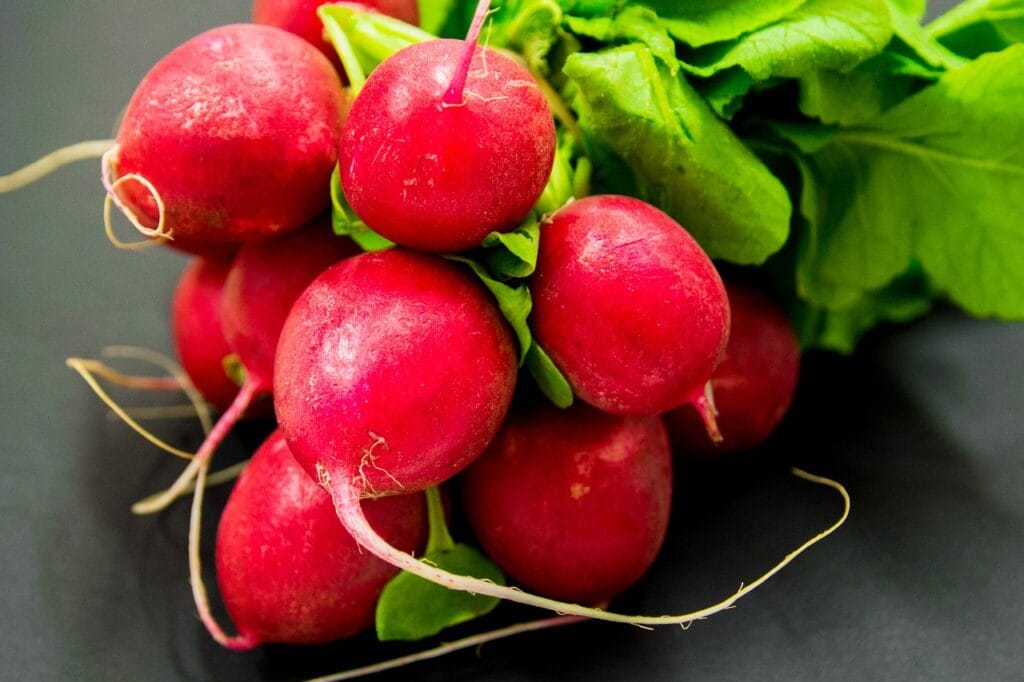
7. Radishes. They add a peppery crunch and a splash of color. Try it: slice them thin over salads, tacos, or sandwiches.
Moderate in Nitrate
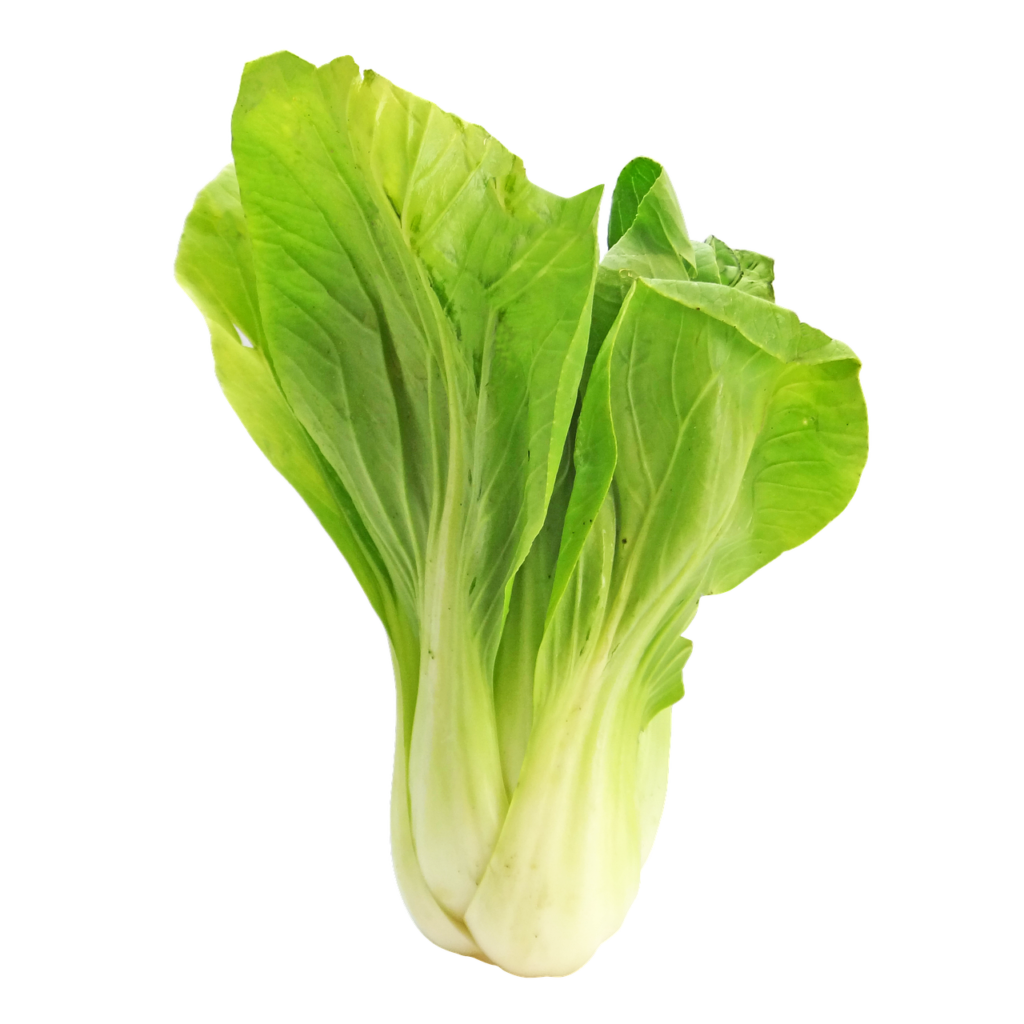
8. Bok choy. It has a mild, slightly sweet flavor that works in almost any dish. Try it: stir-fry it, drop it into soup near the end of cooking, or shave it raw into a slaw.
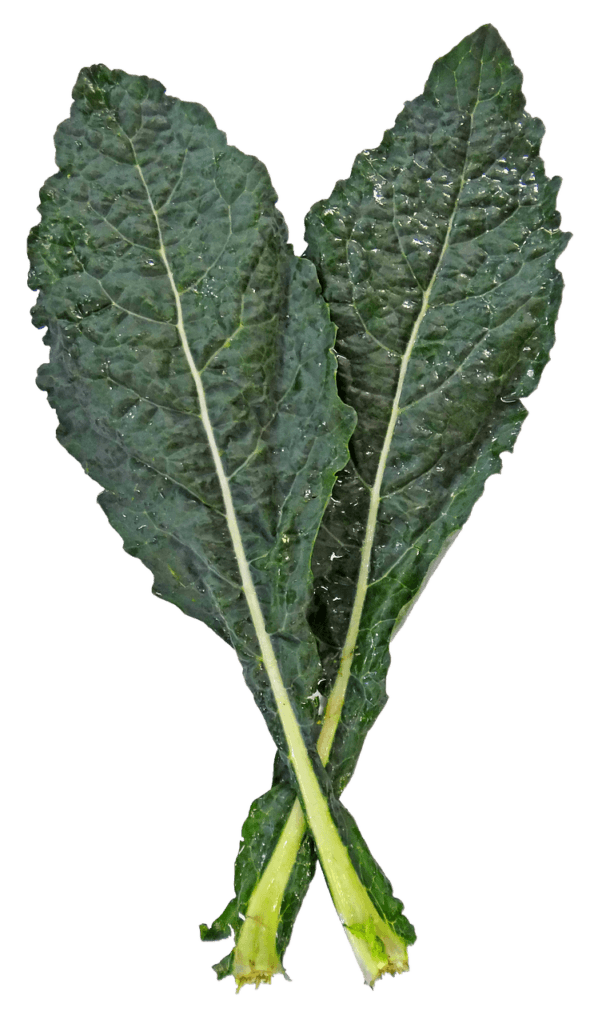
9. Kale. Kale has less nitrate than spinach or arugula, but it still contributes, and it brings fiber and antioxidants along. Try it: massage raw kale with lemon juice for salads, or blend it into smoothies.
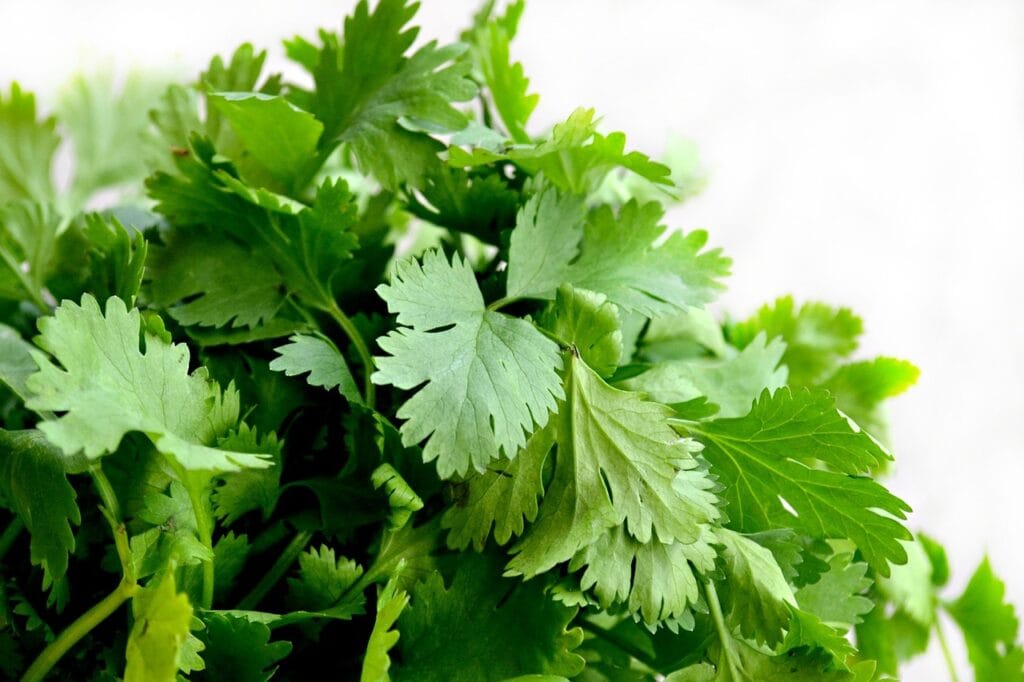
10. Cilantro. Herbs can be rich in nitrate by weight, but you only eat a small amount. Treat cilantro as a flavor booster that adds a little extra. Try it: sprinkle it on salads and salsas, or add a handful to your juice.
What’s the Best Way to Prepare Nitrate-Rich Vegetables?
Eat them raw or lightly cooked most of the time. Nitrate dissolves in water, so boiling can pull it out into the cooking pot. If you do boil, save the water for soup.
Variety helps you reach a good daily amount, and it keeps meals interesting. A simple plate: arugula, spinach, shaved beets, sliced radishes, and celery, tossed in olive oil and lemon.
A quick safety note. Nitrate-rich vegetables can lower blood pressure. If you take blood pressure medicine or a nitrate drug, or if your blood pressure runs low, check with your doctor before making big changes. Chard and spinach are also high in oxalates, so ask your doctor if you have a history of kidney stones.
How Fast Do Nitrate-Rich Vegetables Work?
In the spinach trial, the effects appeared within hours after a single serving. That’s why a daily habit is the practical takeaway.
Can You Get Enough Nitrate From Food Alone?
Food is a practical way to reach the range used in studies, especially if you eat a large serving of nitrate-rich greens each day. Because nitrate content varies, eating a mix of vegetables gives you a more reliable dose.
Your Next Step
Start with one change this week: make a big salad with at least two vegetables from this list and eat it daily. If you want to have a conversation about how to include more vegetables in your diet, just sign up for a discovery call and we can talk about it. I’d love to chat with you.